

Comprehensive Guide
to Essential Vitamins
& Minerals for Men
Navigating the world of nutrition can feel overwhelming, but understanding the basics of essential nutrients is the first step toward better health. This guide breaks down the most important vitamins and minerals that support male vitality and daily performance. Each nutrient plays a specific role — from supporting the immune system to aiding in muscle recovery and energy production. By learning what your body needs, you can tailor your diet and supplementation to meet your unique physical demands.
Whether you work in an office in Jakarta, train on weekends in Bandung, or spend long days outdoors in Surabaya, the Indonesian climate and lifestyle create specific nutritional needs. The eight nutrients below cover the foundations — the ones most worth getting right before you fine-tune anything else.
The Nutrient Index

Vitamin D3
Vitamin D3 is crucial for calcium absorption and maintaining strong bones. Despite the abundant sunlight in Indonesia, many men who work in offices or spend significant time indoors may have lower levels than required. Beyond bone health, D3 supports immune function and mood regulation.
If you commute before sunrise, sit under fluorescent light all day, and head home after sunset, your skin may not be making enough D3 even in a tropical country. Fifteen to twenty minutes of direct sun on exposed arms or legs is a reasonable daily target. If that does not fit your routine, a quality D3 supplement is a practical fallback.
Magnesium
Magnesium is involved in over 300 biochemical reactions in the human body, including muscle and nerve function. For men who lead active lifestyles, magnesium is essential for preventing muscle cramps and aiding in post-exercise recovery. It also plays a significant role in promoting restful sleep and reducing the physical manifestations of daily stress.
Food sources include leafy greens and nuts, but concentrated supplementation can ensure you hit the optimal daily intake. If you wake with tight calves after a long run, or struggle to settle your mind at night, magnesium is often the first mineral worth checking.

Zinc
Zinc is a trace mineral that is vital for immune health and protein synthesis. It is particularly important for men as it supports the healthy function of various systems involved in daily stamina and physical resilience. Even a minor deficiency in zinc can lead to increased fatigue and a slower immune response.
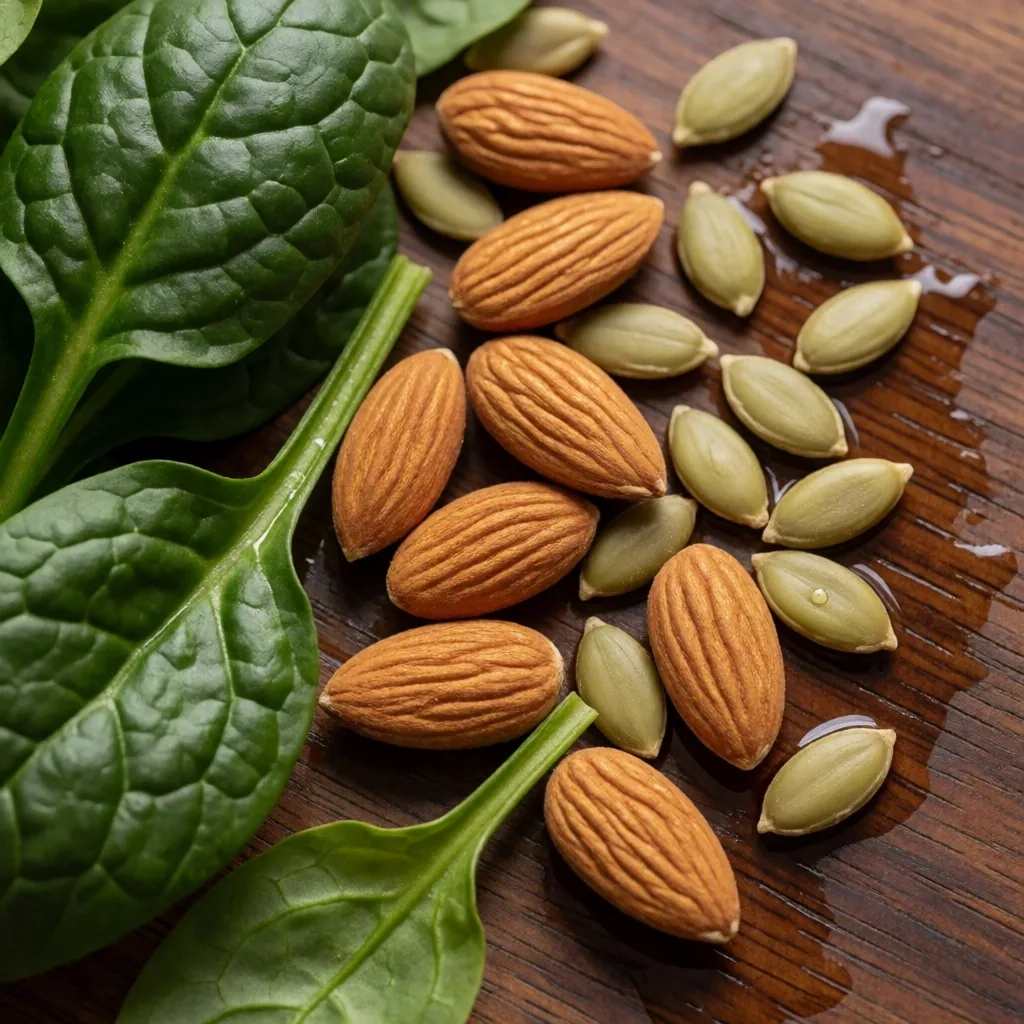
Including zinc-rich foods or a high-quality supplement can help maintain these essential functions at their peak. Oysters, lean beef, and pumpkin seeds are among the most reliable dietary sources. If your meals are mostly plant-based, pairing zinc-rich foods with vitamin C helps your body absorb more of it.
Protein synthesis and immune resilience
Oysters, beef, pumpkin seeds, chickpeas
B-Complex Vitamins
The B-vitamin group, including B6, B12, and Folic Acid, is the engine behind your metabolism. These vitamins help the body convert carbohydrates, proteins, and fats into usable energy. They are also vital for the health of the nervous system and the production of red blood cells.
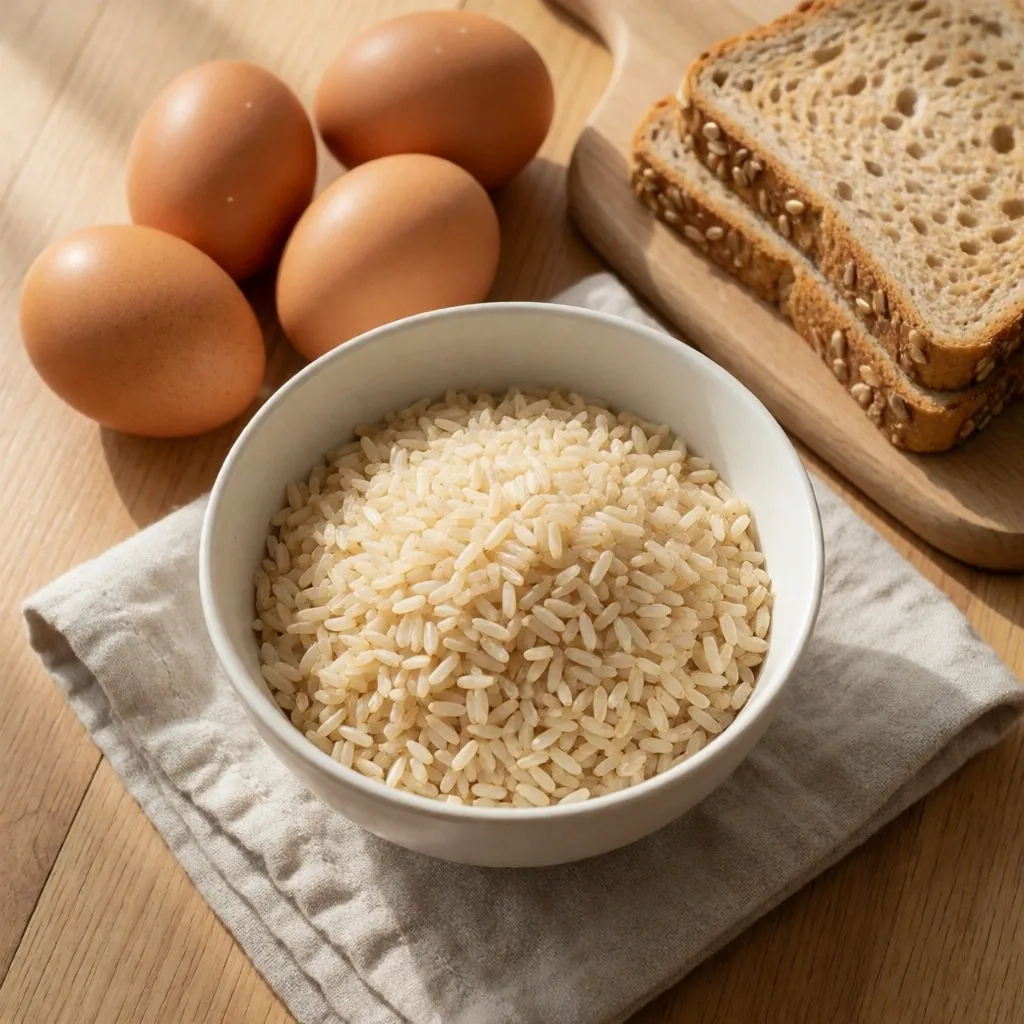
Because B-vitamins are water-soluble and not stored in the body, a daily supply through diet or supplementation is necessary for sustained energy levels. If your afternoon slump hits hard and consistently, or if you follow a mostly plant-based diet, B12 in particular is worth monitoring — it is one of the few vitamins that vegetarians and vegans commonly underconsume.
Protein metabolism and nervous system function
Red blood cell formation and energy release
Cell division and DNA synthesis support
Omega-3 Fatty Acids
Omega-3s are essential fats that the body cannot produce on its own. Found primarily in fish oil and certain seed oils, these fatty acids are known for supporting cardiovascular health and maintaining cognitive function. They help manage systemic inflammation, which is key for long-term joint health and recovery.
For men who do not consume oily fish regularly, a high-quality Omega-3 supplement is a cornerstone of a complete nutritional plan. Fresh mackerel, sardines, and salmon are the richest natural sources — aim for two servings per week as a baseline. If that is not realistic with your schedule, a daily fish-oil or algae-based capsule keeps the intake steady.


Vitamin C
Vitamin C is more than just a remedy for the common cold; it is a powerful antioxidant that protects cells from oxidative damage. It is also essential for the production of collagen, which supports healthy skin, tendons, and ligaments.
In a tropical environment where heat and pollution can increase free radical production, maintaining high levels of Vitamin C is a simple yet effective way to support your body's natural defenses. Guava, papaya, oranges, and red bell peppers are all excellent local sources. Fresh is best — vitamin C degrades quickly when cooked or left exposed to air, so eat your fruit whole or shortly after cutting.
Selenium
Protecting Cellular IntegritySelenium is a potent trace mineral that works alongside Vitamin E to protect cell membranes from damage. It plays a specialized role in supporting a healthy metabolism and thyroid function.
While only needed in small amounts, its impact on long-term health and cellular protection is significant. Brazil nuts are the most concentrated natural source — two or three per day is enough for most adults. If you prefer a supplement, look for balanced mineral blends that include selenium in measured amounts rather than high-dose standalone capsules.
Brazil nuts — just 2–3 per day covers your daily need
Potassium
Electrolyte BalancePotassium is an electrolyte that is vital for maintaining proper fluid balance and supporting the electrical activity of the heart and muscles. In the heat of Indonesia, losing electrolytes through sweat is common, making potassium intake even more critical.
Adequate levels help prevent fatigue and support healthy muscle contractions. Bananas are the familiar source, but potatoes, spinach, avocado, and coconut water are equally reliable — and often richer in potassium per serving. If you work outdoors or train hard, keeping an electrolyte source nearby during the day is more practical than trying to catch up in the evening.
Bananas, potatoes, spinach, avocado, coconut water
Continue your research
This guide covers the foundations. When you are ready to compare specific products, learn about herbal extracts, or download a printable reference sheet, these resources are your next stop.
Compare Mineral Blends
Side-by-side comparison of formulations, ingredient sources, and daily values.
Learn About Herbal Extracts
Read about traditional botanical extracts and their role in a complete wellness routine.
Download Nutrient PDF
Request a printable version of this guide for offline reference. Reach out and we will send it directly.
Questions about which nutrients fit your routine? Our team is available during business hours to help you navigate the guide and point you toward further reading.
Jl. Boulevard Gading Serpong, Kelapa Dua, Tangerang, 15810
+62 21 548 3435
Mon–Fri: 09:00–18:00
The information in this guide is educational and intended to help you understand the roles of vitamins and minerals in a normal, healthy diet. It is not a substitute for personalized advice from a qualified nutrition professional. If you have specific dietary concerns, are managing a health condition, or are considering significant changes to your supplement routine, please consult a qualified professional before proceeding. Products referenced in our comparisons are intended as dietary supplements to support general wellness — they are not intended to diagnose, treat, cure, or prevent any condition.